DID YOU KNOW?
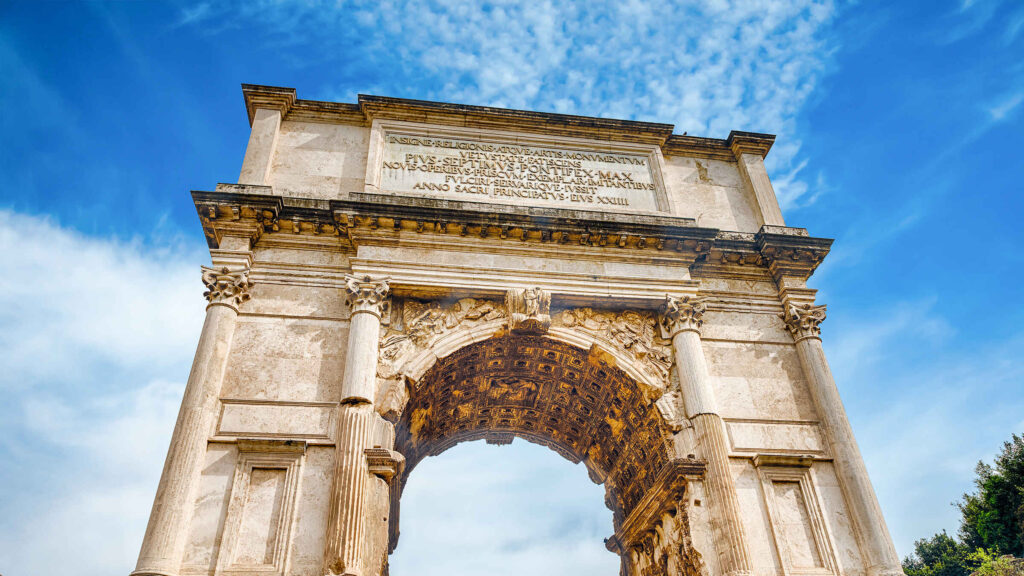
In A.D. 70, the armies of Rome, under the command of Titus, destroyed Jerusalem and brought the ancient nation of Judea to ruin. To commemorate Rome’s victory and the apparent end of Israel, a monument was built in Rome known as the Arch of Titus.
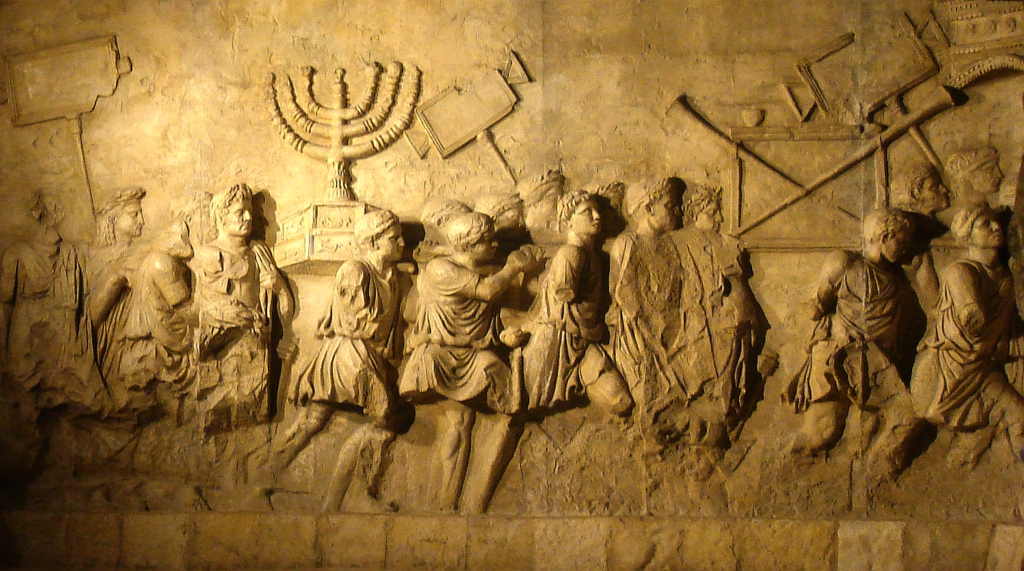
Carved into the interior of the arch is a vivid relief depicting the destruction of Jerusalem and the Roman soldiers carrying away the sacred vessels from the Temple, most notably the golden seven-branched menorah.
Two thousand years later, the Roman Empire lies in ruins.
But Israel, the nation declared destroyed, was miraculously raised from the dead.
When the reborn nation of Israel needed a symbol, they found it in an unexpected place: on the Arch of Titus.
By building a monument to celebrate Israel’s destruction, Rome unknowingly preserved in stone the image of Israel’s most sacred symbol. The very menorah meant to proclaim defeat survived for centuries—and that image became the inspiration for Israel’s national emblem: the menorah, surrounded by olive branches.
What Rome intended as a symbol of death became a declaration of resurrection. What was meant to seal Israel’s end became a testimony to God’s faithfulness.
The menorah stands as the symbol of God’s light overcoming darkness.
So what does the Arch of Titus reveal?
In the end, you cannot stop the purpose of God.
God not only causes His purposes to come to pass. He will even use what stands against His purposes to fulfill them.
He does not merely overcome evil;
He redeems it.
He turns death into life,
destruction into rebirth,
darkness into light,
curses into blessings,
and tears into rejoicing.
And just as surely, He will turn everything in your life that was meant for evil into good—
and what was meant to harm you into something that will save and bless you instead.
It’s all there, in the menorah of God’s light, kept safe for the ages on the Arch of Titus.
TODAY:
Identify the “Arches of Titus” in your own life, the places where God redeemed loss, pain, or defeat and turned them into purpose, testimony, and light.
What once looked like an ending may yet become a monument to God’s faithfulness.